How to Reclaim an Overgrown Backyard
An overgrown backyard can feel overwhelming, but it doesn't have to stay that way. Learn how to assess the property, tackle unwanted vegetation and debris, and turn a neglected yard back into usable outdoor space.
Overgrowth
•
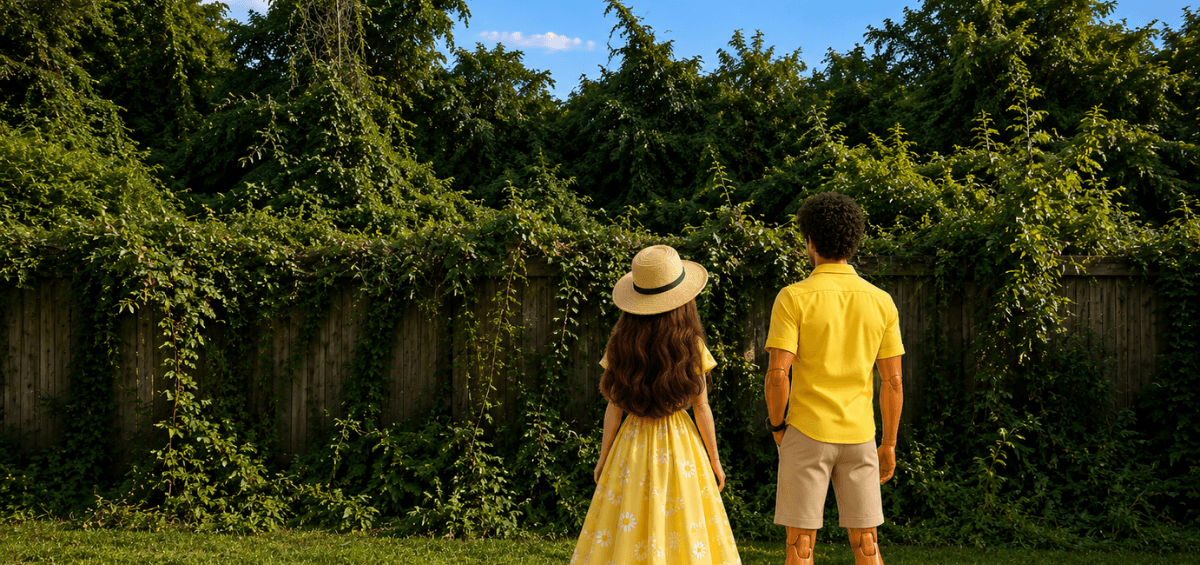
An overgrown backyard can reach a point where figuring out where to begin feels like the hardest part of the entire project.
Tall grass may hide parts of the property. Vines can take over fences and shrubs. Bushes that were once part of the landscaping may have grown far beyond their intended space. Fallen limbs, leaves, old materials, and other debris can accumulate in areas that haven't been maintained.
Eventually, a backyard that was supposed to be usable outdoor space becomes somewhere you'd rather avoid.
The good news is that an overgrown yard doesn't necessarily need to stay that way. The key is to approach the property as a recovery project, not simply as a lawn that needs mowing.
Start by Evaluating the Entire Property
Before cutting everything down, take a good look at what you're dealing with.
Try to identify:
Areas of heavy brush or tall vegetation
Overgrown shrubs
Vines growing across fences or structures
Fallen limbs and woody debris
Trash or unwanted materials
Existing trees and plants worth keeping
Damaged or hidden fencing
Drainage problems
Areas where grass or landscaping has disappeared
Irrigation equipment that may be hidden by vegetation
This first assessment helps separate what needs to be removed from what should be restored or preserved.
That's an important distinction. The objective isn't necessarily to strip the property bare. It's to uncover the usable yard underneath the overgrowth.
Remove Trash and Debris First
Before trying to restore the landscaping, clear obvious debris from the property.
Depending on how long the yard has been neglected, this could include fallen branches, old planters, broken outdoor items, discarded building materials, leaves, or general trash.
Removing these items accomplishes two things.
First, you can finally see more of the property.
Second, it creates safer and more accessible working areas for tackling the vegetation.
UGA Extension also recommends removing piles of brush, logs, debris, trash, tires, and other clutter when addressing habitat that can attract nuisance wildlife.
A cleanup can therefore be about more than appearance. It can help you understand what's actually happening throughout the yard.
Tackle Tall Grass, Weeds, Brush, and Vines
Once obvious debris is out of the way, attention can turn to the vegetation that has taken over.
An overgrown property may contain several different problems at once:
Tall grass
Broadleaf weeds
Woody brush
Briars
Volunteer trees
Aggressive vines
Invasive plants
These shouldn't necessarily all be treated the same way.
Some vegetation can simply be cut back or removed. Other plants can regrow aggressively from roots, runners, or remaining plant material.
That's especially important when invasive plants are involved.
UGA Extension notes that plants such as privet and nandina can spread through root suckers, meaning simply cutting the visible portion of the plant may not eliminate it. Successful control can require identification, an appropriate removal strategy, and continued attention over time.
In other words, clearing the visible overgrowth is sometimes only the first stage.
Decide Which Shrubs Should Stay
Not every overgrown shrub needs to be removed.
Some established landscape plants can be brought back under control through proper pruning.
UGA Extension explains that shrubs can eventually outgrow their locations, crowd neighboring plants, hide windows, and overwhelm portions of the landscape. Depending on the species, corrective or renewal pruning may be an option.
But this is where identifying the plant matters.
Some broadleaf shrubs respond well to severe renewal pruning, while other plants—including certain narrow-leaf evergreens—may respond poorly or even die when severely cut back. Timing also matters because pruning at the wrong point in a plant's growth or flowering cycle can affect its health and appearance.
So don't assume the solution to every giant shrub is simply cutting it down to the ground.
Sometimes the better decision is pruning.
Sometimes it's removal.
And sometimes an established plant is worth leaving alone.
Look for Invasive Plants
Years of limited maintenance can give invasive plants an opportunity to spread unnoticed.
Georgia properties may encounter invasive vegetation such as privet, nandina, or Japanese honeysuckle. These plants can spread aggressively and compete with desirable vegetation.
If you're unsure what a plant is, identification should come before attempting a long-term control strategy.
This matters because an invasive plant that looks "gone" immediately after cleanup may return if its root system or other reproductive material remains.
Reclaiming a heavily overgrown property can therefore require follow-up, not just one dramatic cleanup day.
Don't Forget What's Hiding Under the Overgrowth
Heavy vegetation has a way of concealing other property problems.
Once the brush and vines begin disappearing, you may discover:
Broken fence boards
Leaning fence sections
Damaged gates
Old irrigation components
Drainage issues
Bare soil
Tree roots
Uneven ground
Forgotten landscape borders
Areas where turf needs to be reestablished
That's actually useful information.
You can finally evaluate the property as a complete outdoor space rather than simply reacting to whatever vegetation is visible.
Inspect the Fence
Fences are particularly easy to lose behind years of vines and vegetation.
After clearing the fence line, walk the perimeter and look at its condition.
Are posts leaning?
Are boards broken or missing?
Are gates still operating correctly?
Has vegetation damaged or pushed against sections of the fence?
In some cases, clearing the fence line reveals that the existing fence simply needs attention. In others, the cleanup may make it obvious that replacing an aging fence should become part of the larger yard recovery project.
This is one reason it can make sense to think about cleanup and fencing together rather than treating them as completely unrelated projects.
Evaluate Drainage and Low Areas
After the vegetation has been reduced, pay attention to the shape of the property.
Look for areas where water collects after rain, sections that remain unusually wet, and slopes where soil may be washing away.
UGA Extension recommends considering a property's topography and drainage, including slopes and low areas where water collects, when evaluating and planning a landscape.
Heavy overgrowth can make those conditions difficult to see.
Once the property is accessible again, you have a much better opportunity to understand how water actually moves through the yard.
Evaluate the Irrigation System
If the property has an existing irrigation system, this is also a good time to inspect it.
Years of landscape growth and property changes can leave irrigation equipment poorly positioned for the yard that exists today.
Sprinklers may be blocked by vegetation. Some components may no longer work properly. The original system may simply provide poor coverage for the current landscape.
And if you're planning to establish or restore grass after the cleanup, irrigation becomes particularly important.
There's little benefit in recovering a yard only to struggle to keep the new lawn healthy afterward.
Decide What You Want the Backyard to Become
This is the fun part.
Once the overgrowth is gone, you aren't limited to recreating exactly what existed before.
Ask what you actually want from the property.
Maybe you want:
A large open lawn
A secure fenced area for pets
More room for children to play
A cleaner space for entertaining
A grill or patio area
Better irrigation
Easier ongoing maintenance
New landscaping
Simply a backyard you can enjoy again
The answer can guide the rest of the recovery process.
A yard doesn't need to be elaborate to be successful.
Sometimes clean, functional and manageable is exactly what a property needs.
Restoration Can Be Different From Routine Yard Maintenance
A severely overgrown property isn't always just a bigger version of ordinary lawn maintenance.
UGA Extension notes that a site heavily overgrown with invasive plants, brush, or scrub trees may be a candidate for restoration rather than ordinary rehabilitation.
That's a useful way to think about a neglected backyard.
You're not simply mowing taller grass.
You may be uncovering the property's original layout, deciding what vegetation belongs there, removing what doesn't, identifying hidden problems, and creating a new plan for the space.
That's why tackling the project in stages can make a seemingly impossible yard much more manageable.
How Do You Keep the Yard From Becoming Overgrown Again?
Once you've reclaimed the property, the goal shifts from recovery to maintenance.
A manageable plan might include:
Regular mowing
Periodic pruning
Removing unwanted seedlings and vines before they become established
Keeping fence lines accessible
Removing fallen limbs and debris
Watching for invasive plants returning
Maintaining irrigation equipment
Addressing drainage problems
Keeping landscaped areas appropriate for the amount of maintenance you're willing to perform
Plant selection matters too.
A shrub that naturally grows much larger than the available space can create an ongoing pruning problem. UGA Extension specifically notes that plant growth habit and mature size affect how much pruning a landscape will require.
A recovered yard should ideally be easier to maintain than the yard you started with.
You Don't Have to Reclaim an Overgrown Yard Alone
When a backyard has been neglected for a long time, the amount of work involved can become overwhelming quickly.
What initially looks like "some tall grass" may turn into brush removal, pruning, debris hauling, fence work, irrigation improvements, and rebuilding parts of the landscape.
That's exactly why looking at the whole property matters.
Yard Recovery Services helps homeowners take outdoor spaces that have become overgrown, neglected, or difficult to use and turn them back into clean, functional properties.
Whether your project involves heavy vegetation removal, property cleanup, fencing, irrigation, or a combination of services, we can evaluate the yard and determine what it will take to recover the space.
Ready to recover your yard? Schedule a free onsite estimate with Yard Recovery Services.
Landscape-care information in this article references guidance from the University of Georgia Cooperative Extension. Plant identification and appropriate pruning or removal methods vary by species and site conditions.
© Yard Recovery Services. All rights reserved.
Privacy Notice: Yard Recovery Services respects your privacy. Personal information submitted through this website is used only to respond to inquiries, provide estimates, schedule services, and communicate regarding requested services. We do not sell your personal information. View our Privacy Policy.